

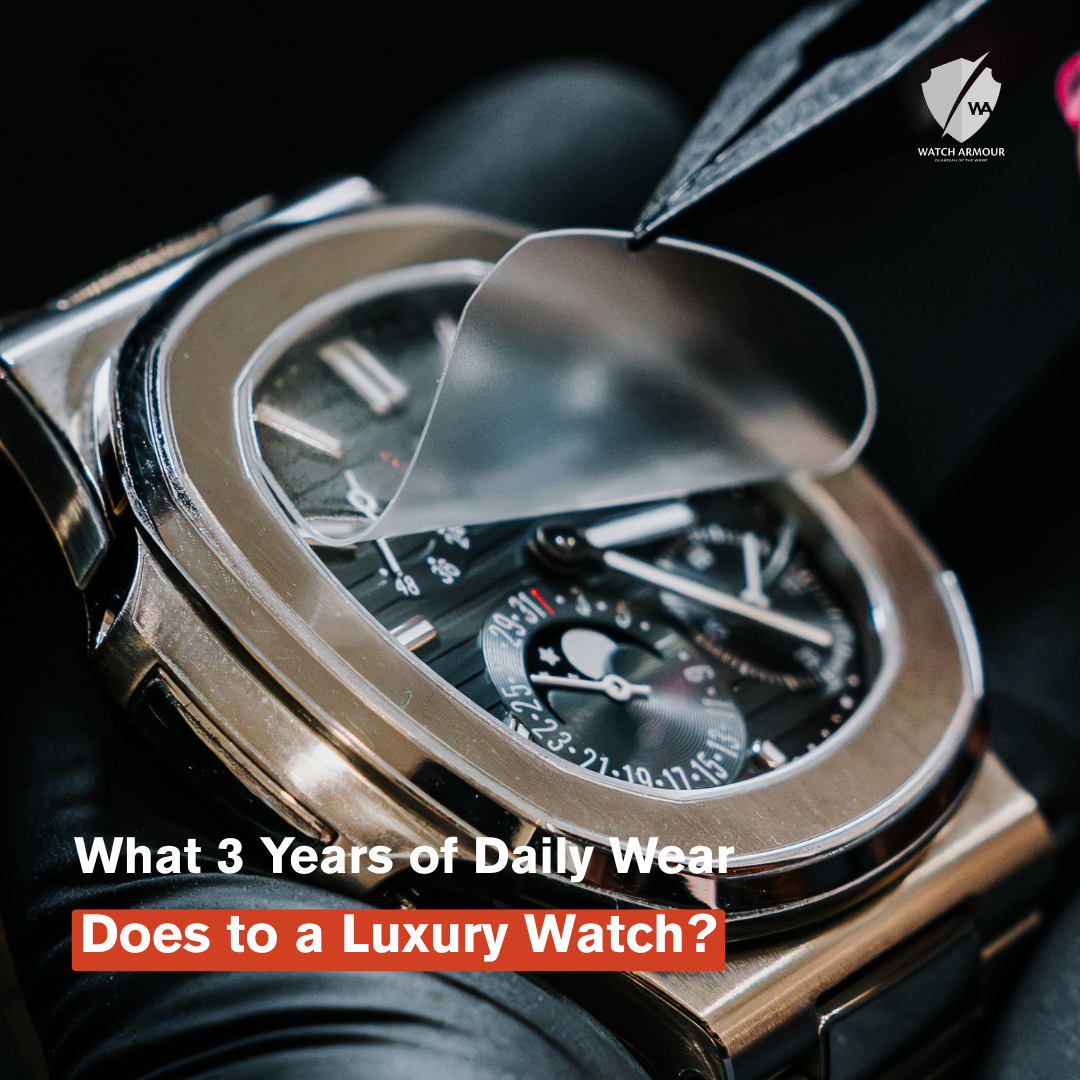
What Happens to Your Watch After 1,000 Days of Daily Wear?
What happens to a luxury watch after 1,000 days of daily wear? From micro scratches and bracelet marks to worn polished surfaces, discover how everyday use gradually changes your watch — and why prevention may be better than polishing later.
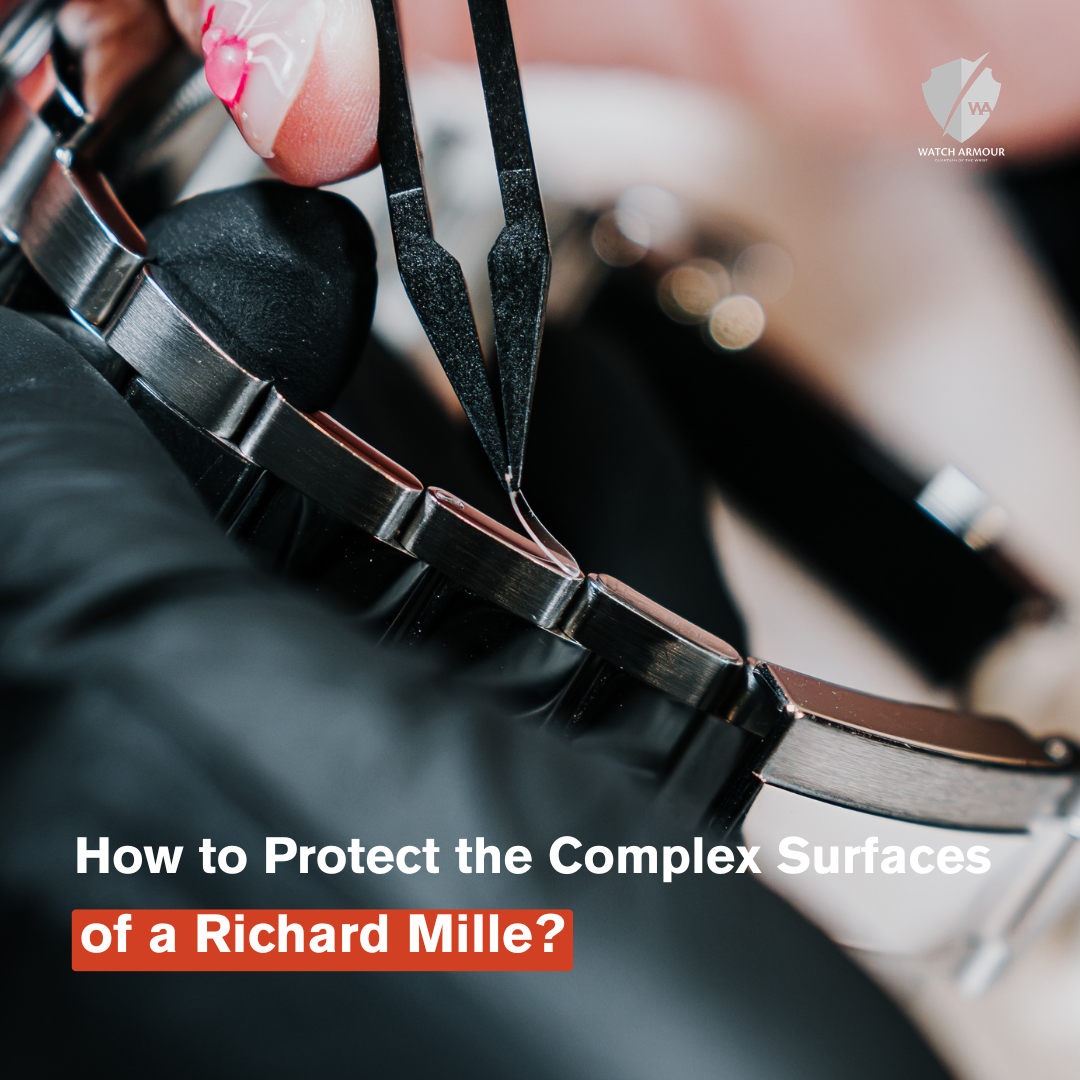
Richard Mille Protection: Why Every Surface Matters
Richard Mille watches are built around intricate cases, specialised materials and highly detailed finishing. Discover why protecting every surface — not just the crystal — can help preserve the original appearance of your timepiece.
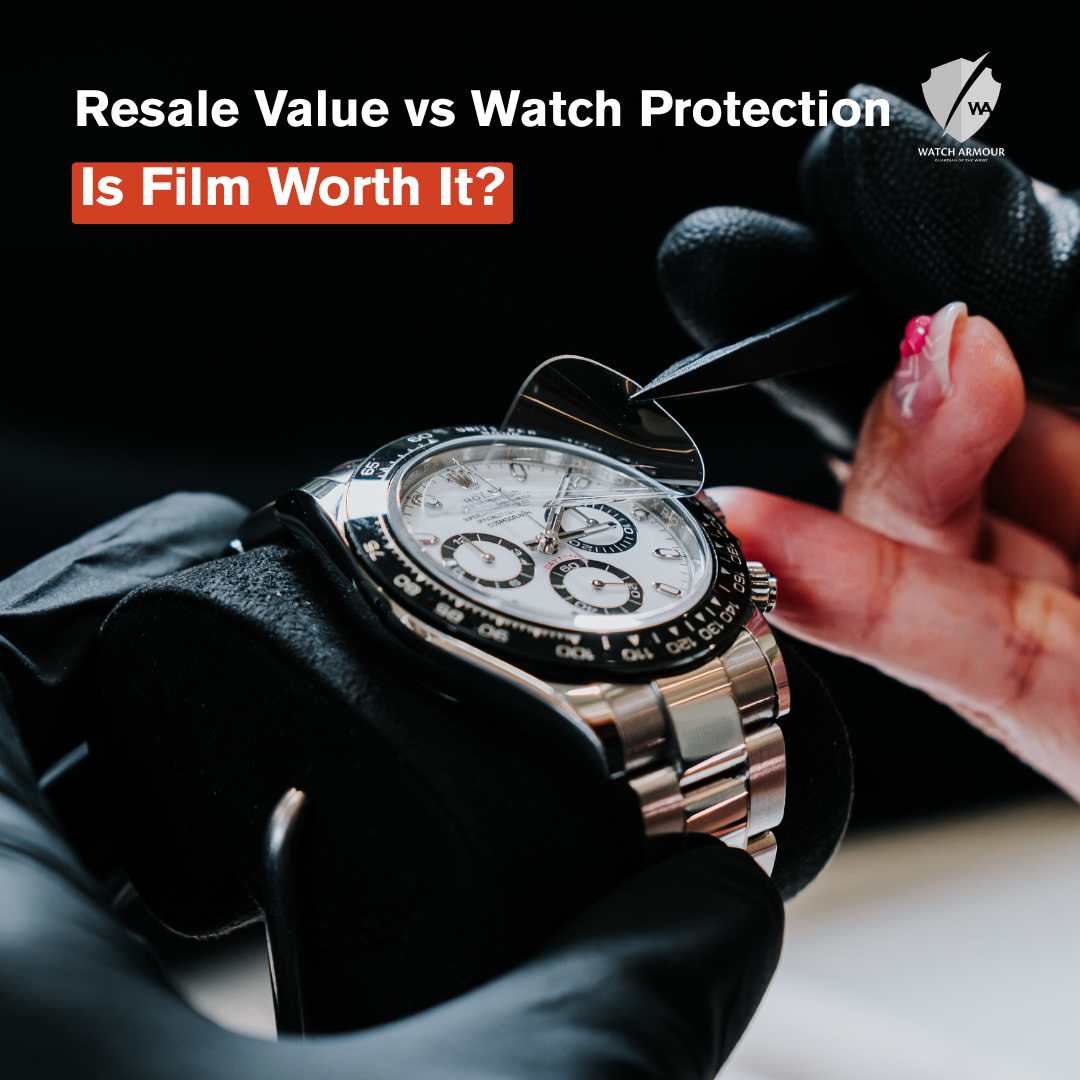
Does Watch Protection Film Affect Resale Value?
Does watch protection film affect resale value? Discover how scratches, polishing and original case condition can influence the value of a luxury watch, and why removable protection film can help preserve your watch's exterior without permanently altering it.
Why Some Watch Owners Regret Not Protecting Earlier
Many watch owners don't think about protection until the first noticeable scratch appears. From desk contact to everyday friction, small interactions can gradually affect a luxury watch's original finish. Here's why some owners wish they had protected their timepiece earlier.
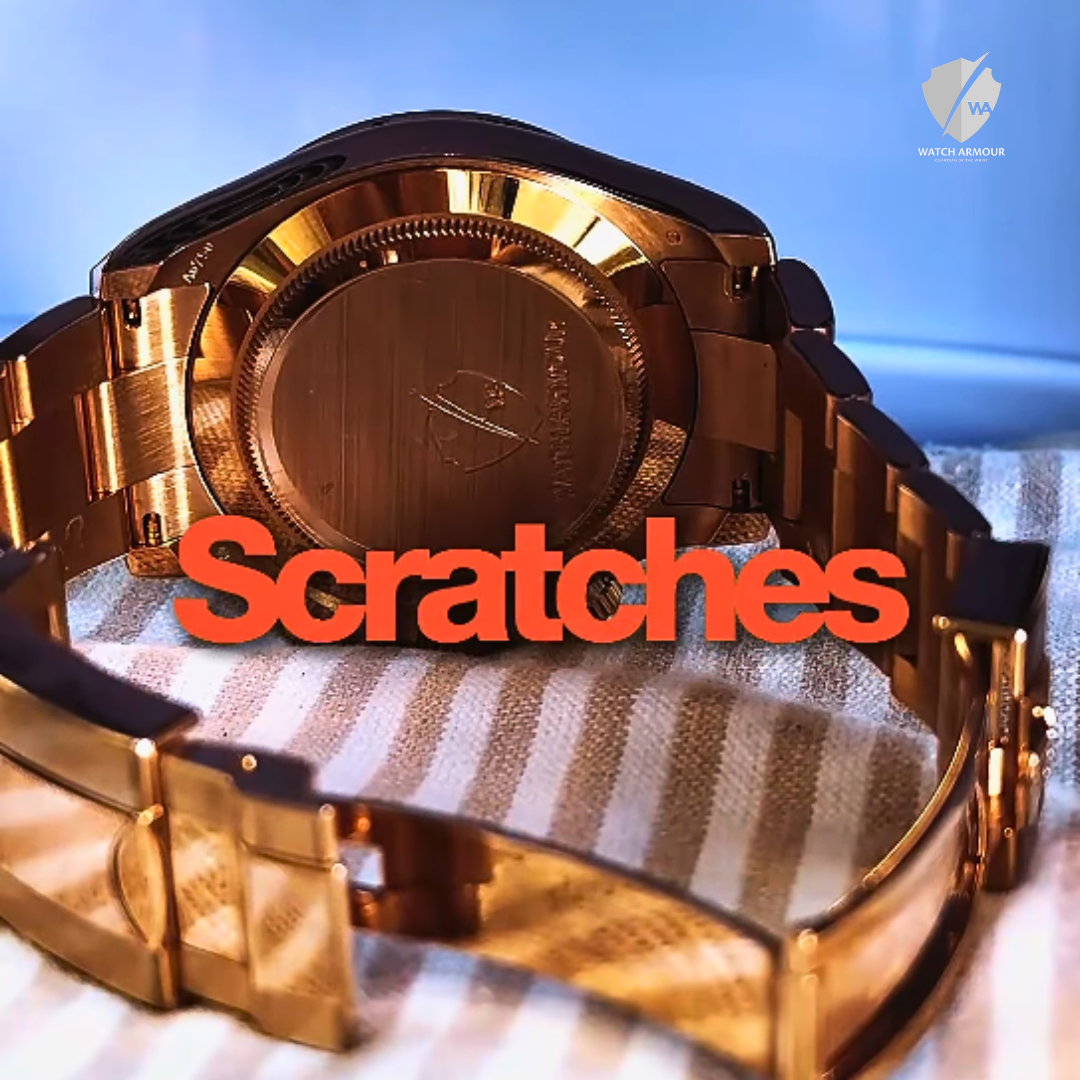
The Most Painful Scratch We’ve Seen (And How It Could’ve Been Avoided)
The most painful watch scratches often happen during ordinary moments — at your desk, while travelling, or simply going about your day. Discover why small scratches can be so noticeable on luxury watches, why polishing isn't always the best solution, and how preventive protection can help.
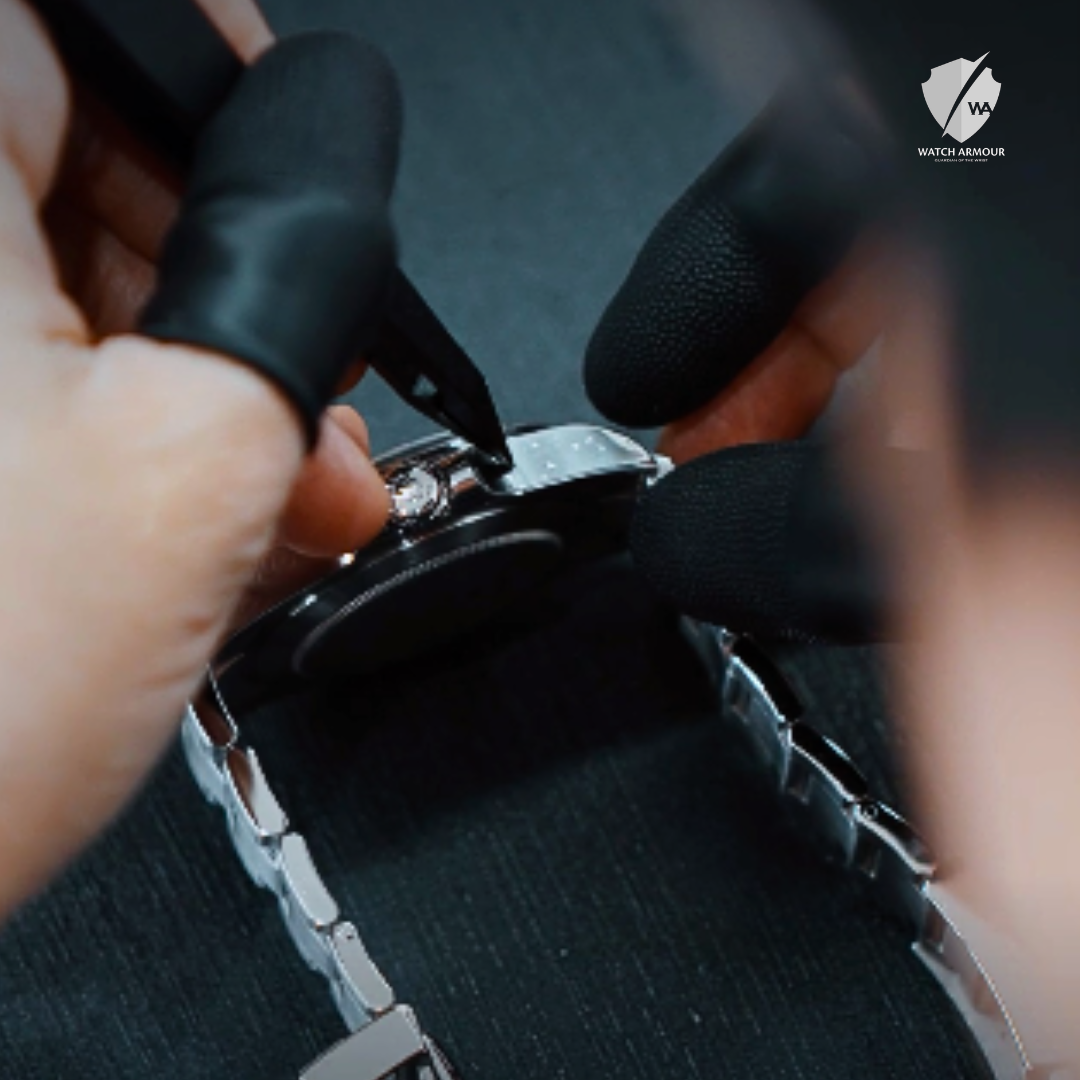
Why Precision Matters in Watch Film Installation
Why does precision matter when installing watch protection film? From alignment and edge finishing to complex curves and bracelet links, every detail affects the final result. Discover why professional installation is essential for achieving discreet, high-coverage protection without compromising your watch's appearance.
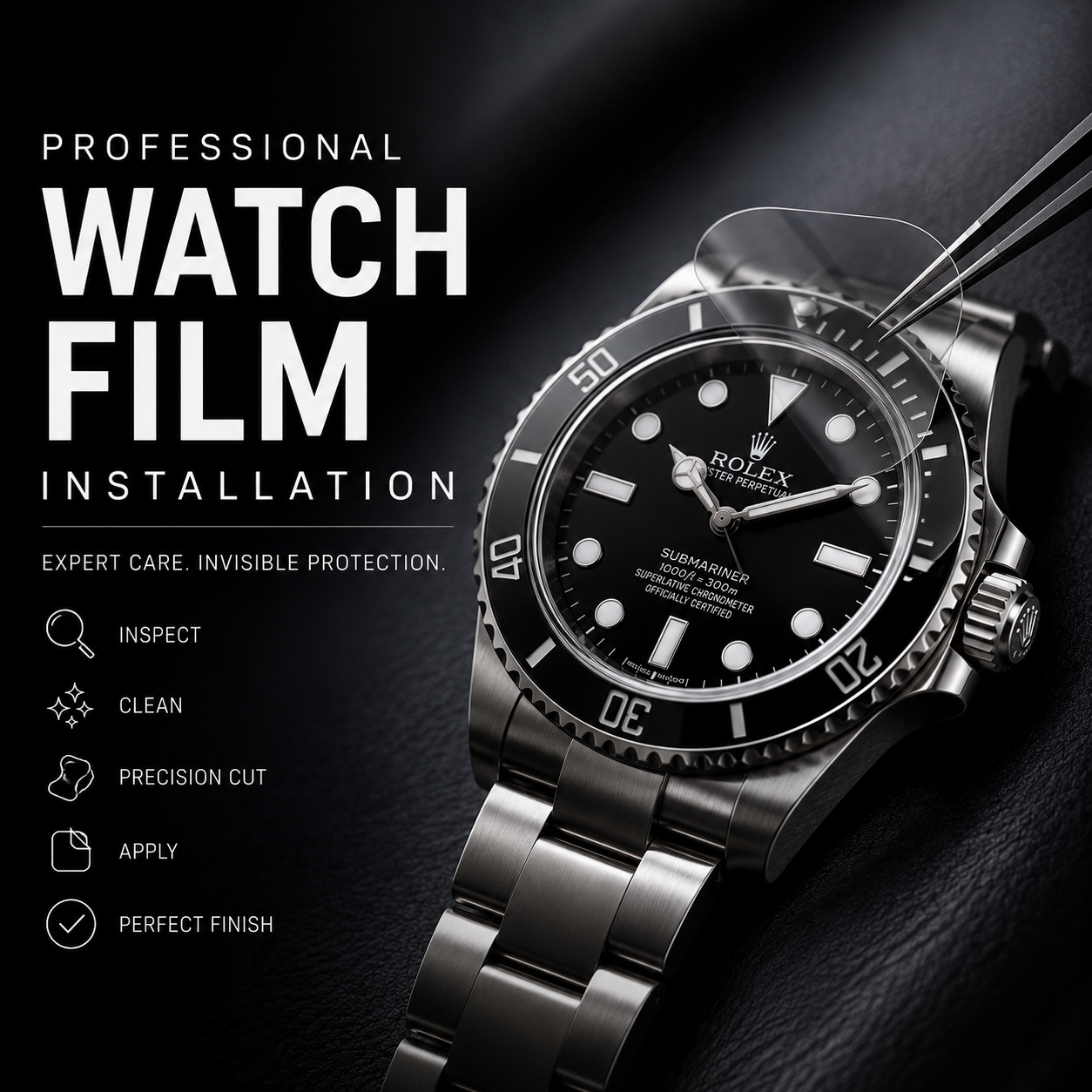
What Happens During a Professional Watch Film Installation? A Step-by-Step Guide
Curious about what happens during a professional watch protection film installation? From detailed cleaning and precision fitting to careful application and final inspection, this guide explains every step of the process and what you can expect during your appointment.
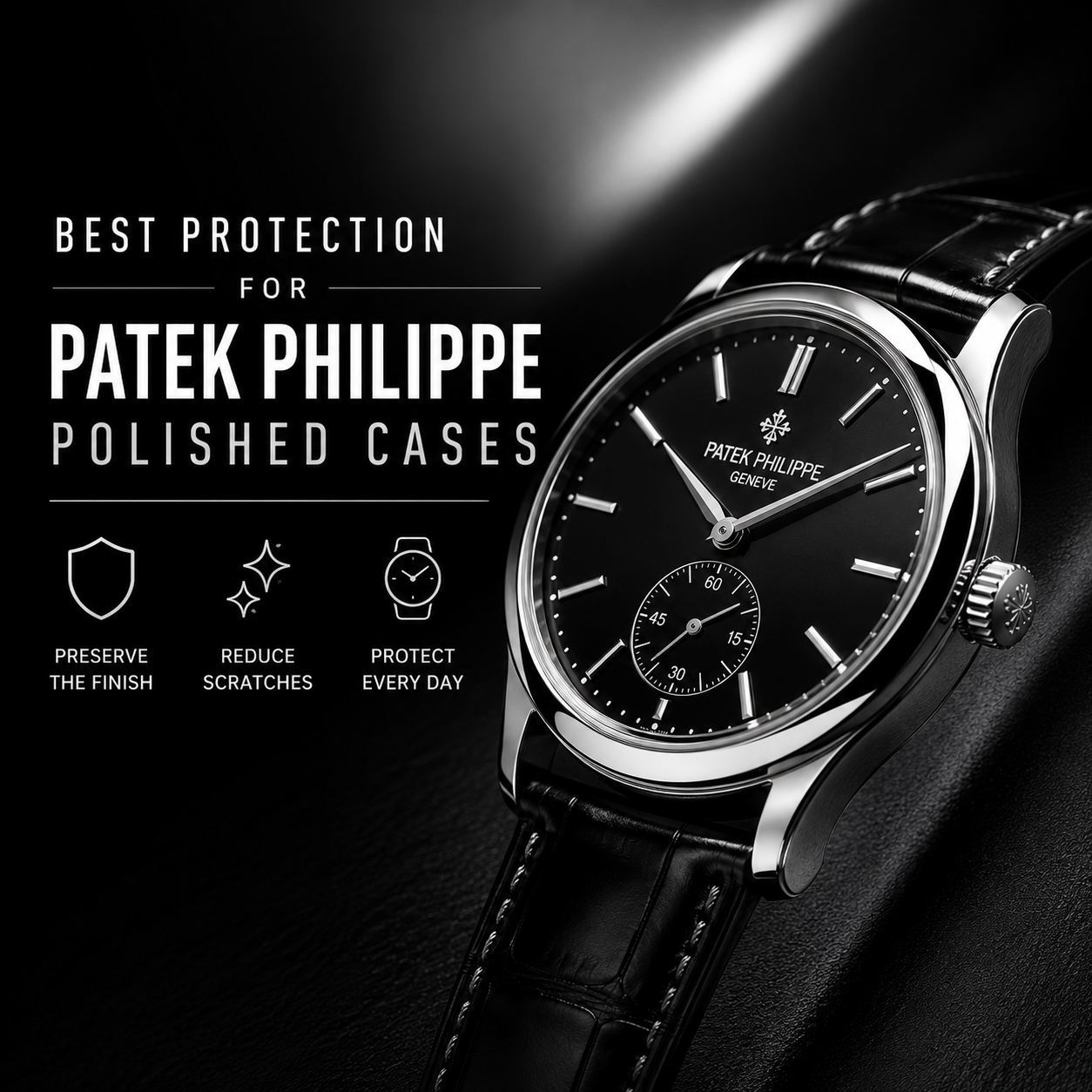
Best Protection for Patek Philippe Polished Cases: How to Keep the Original Finish Looking Its Best
Patek Philippe's polished cases are beautiful but highly susceptible to hairline scratches and swirl marks. Learn why polished finishes show wear more easily, which areas are most vulnerable, and the best ways to help preserve your watch's original appearance.
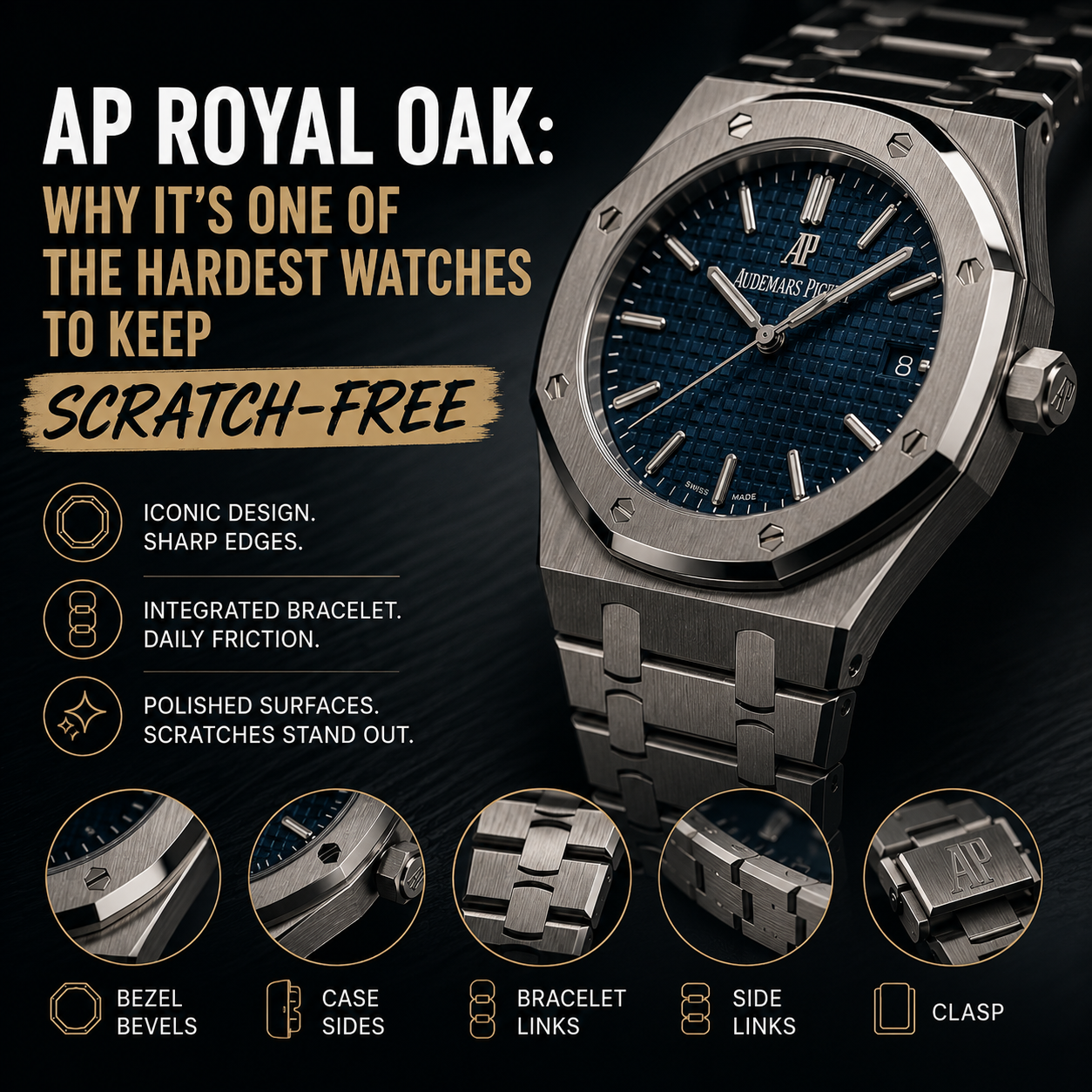
AP Royal Oak: Why It’s One of the Hardest Watches to Keep Scratch-Free
The Audemars Piguet Royal Oak is renowned for its sharp lines, integrated bracelet, and beautifully finished surfaces—but these same features also make scratches more noticeable. Learn why the Royal Oak is one of the hardest luxury watches to keep scratch-free and how owners can help preserve its original appearance.
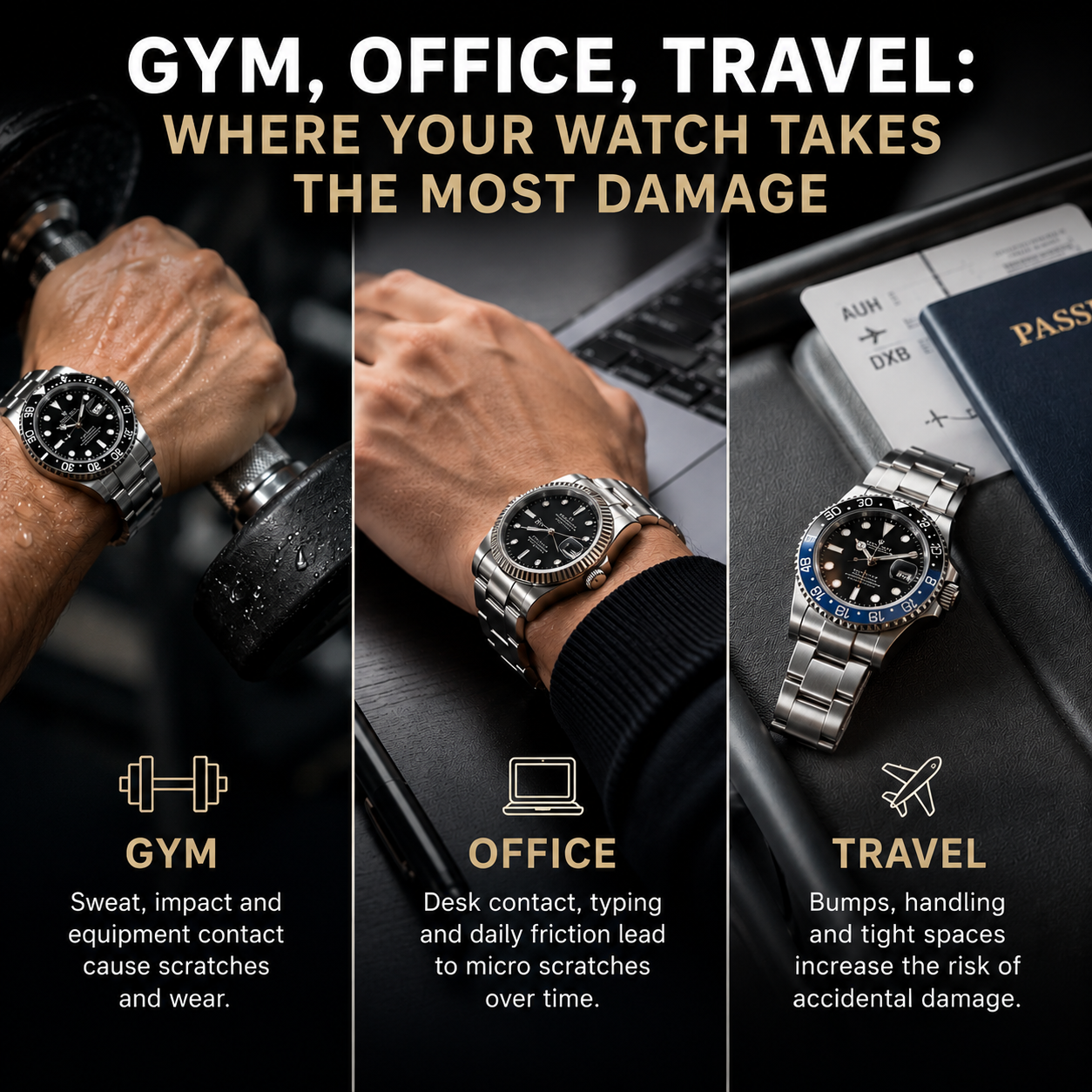
Gym, Office, Travel: Where Your Watch Takes the Most Damage
Your watch doesn't just face wear during extreme activities. Everyday environments like the office, gym, and travel can all contribute to micro scratches and surface wear. Learn where your watch takes the most damage and practical ways to reduce everyday wear while preserving its appearance.
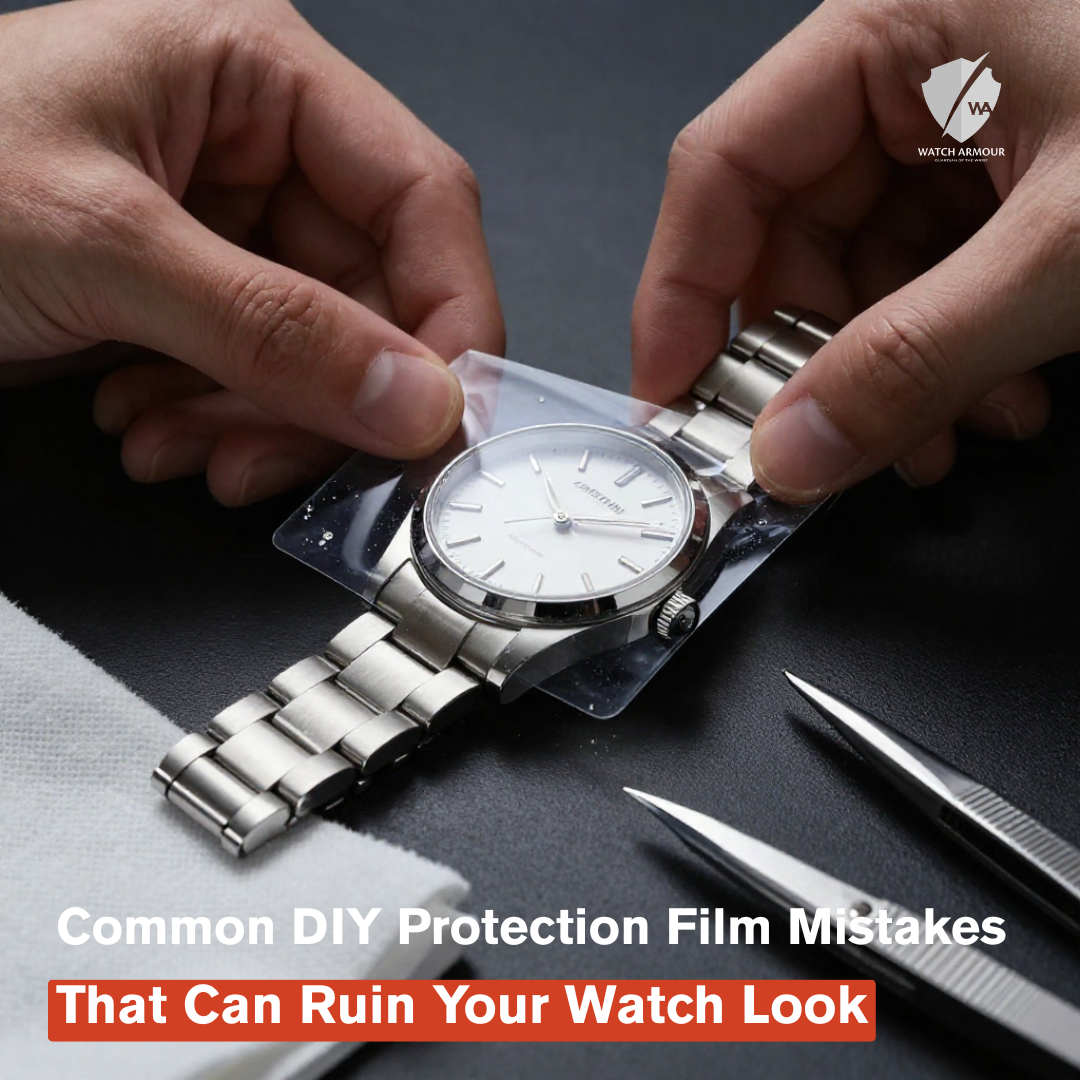
Is DIY Watch Protection Worth It? Mistakes You Need to Know
DIY watch protection film installation often leads to mistakes like dust trapping, misalignment, and edge lifting. This guide explains the most common errors and why professional installation ensures a cleaner, longer-lasting, and nearly invisible finish.

Why Some Rolex Watches Show Wear Faster Than Others
Some Rolex models show scratches faster than others due to polished surfaces and daily wear habits. This guide explains which Rolex watches need protection the most — including the GMT-Master II, Datejust, Submariner, Day-Date, and Daytona — and why preventive protection helps preserve their appearance.
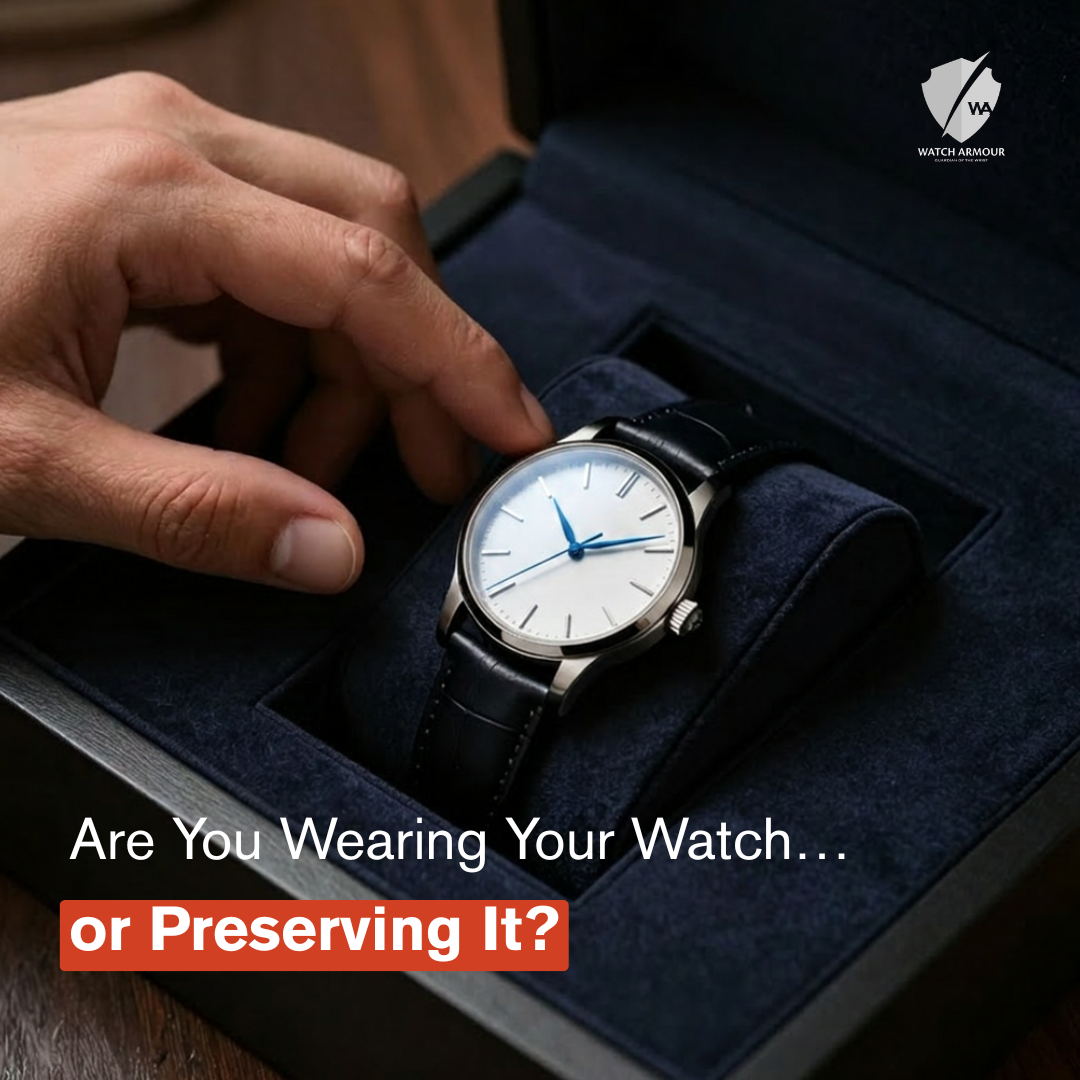
Are You Wearing Your Watch… or Preserving It?
Are you simply wearing your watch, or actively preserving it? While daily use naturally leads to micro scratches and wear, modern protection methods and mindful habits can help maintain your watch’s original condition for longer. This article explores the difference between wearing and preserving a timepiece.
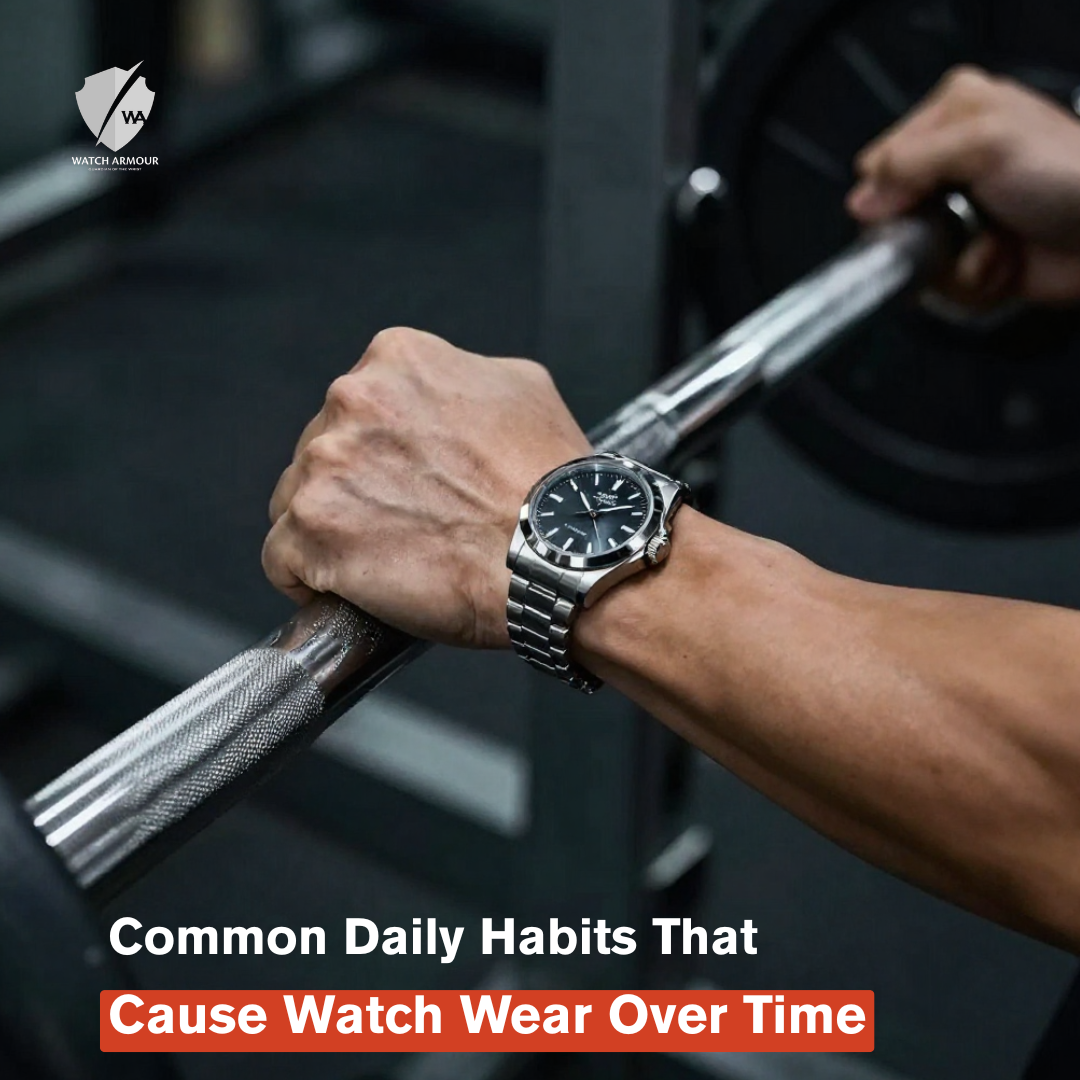
Everyday Situations That Damage Your Watch (Without You Realising)
Everyday habits like typing, wearing sleeves, carrying bags, and resting your wrist on desks can slowly damage your watch without you realising. Learn the most common hidden causes of micro wear and how to reduce long-term scratches and surface damage.
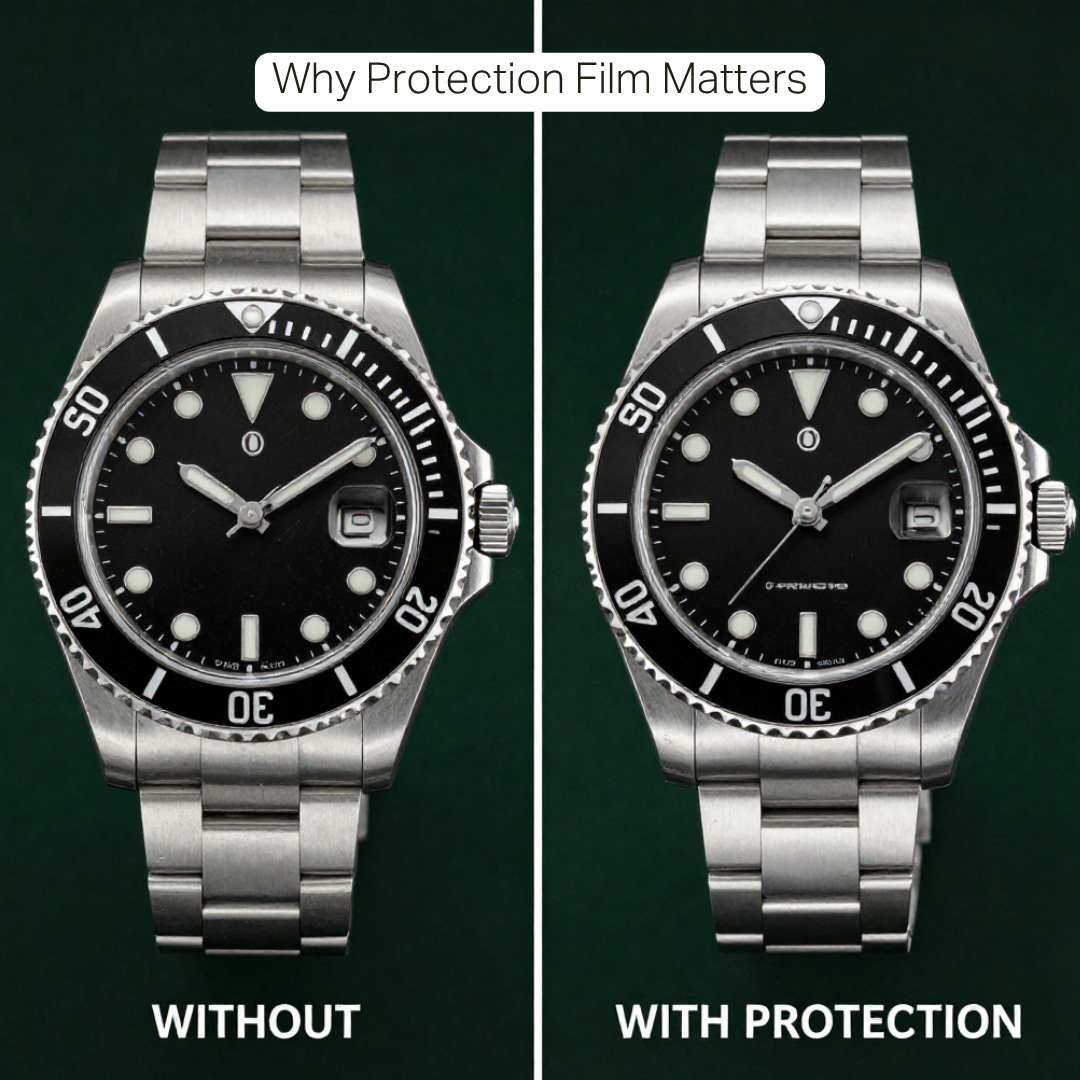
What Happens When You Remove Watch Protection Film After 1 Year?
What happens when you remove watch protection film after 1 year? In most cases, the watch underneath remains clean, scratch-free, and close to factory condition. This guide explains what to expect, how removal works, and what factors affect the final result.
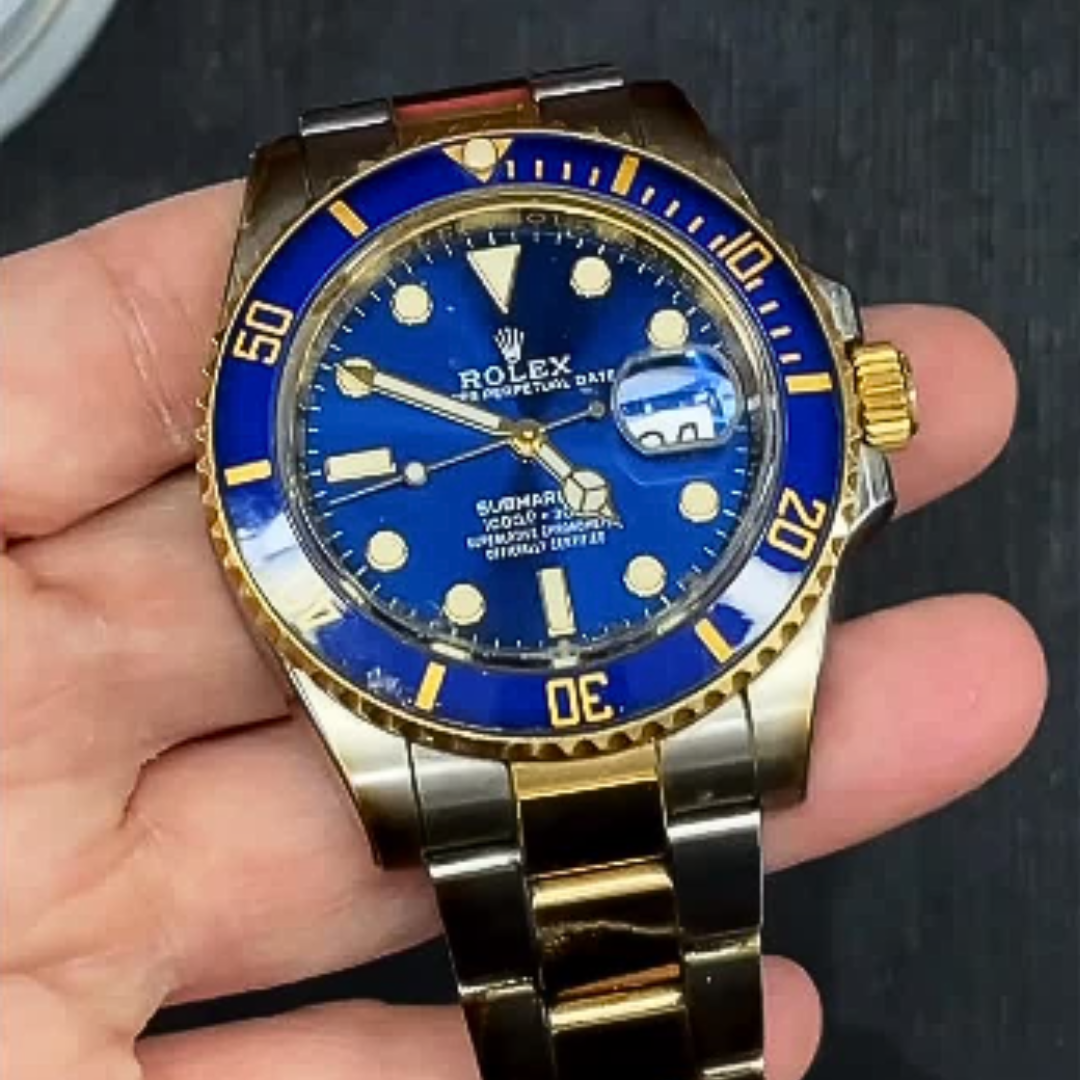
Is Being Careful Enough to Protect Your Watch? Here’s the Truth
Even careful watch owners experience micro scratches from daily wear. Learn why being careful isn’t always enough and how protection film helps preserve your watch’s original condition without changing its appearance.
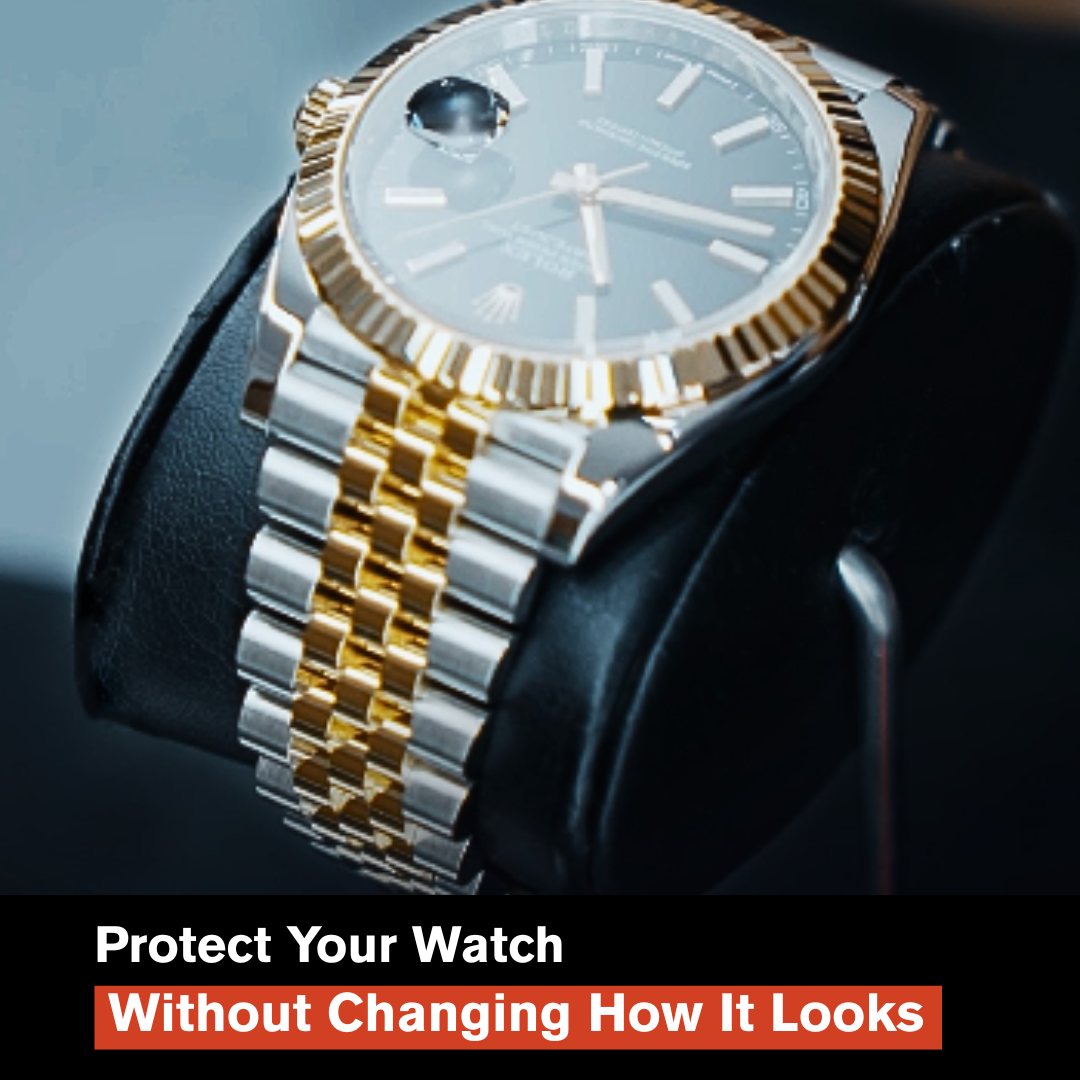
Is Watch Protection Film Noticeable? What You Should Know
Will watch protection film ruin the look of your timepiece? High-quality film is designed to be nearly invisible, preserving the original finish while protecting against scratches. Learn what affects visibility and how to ensure the best results.
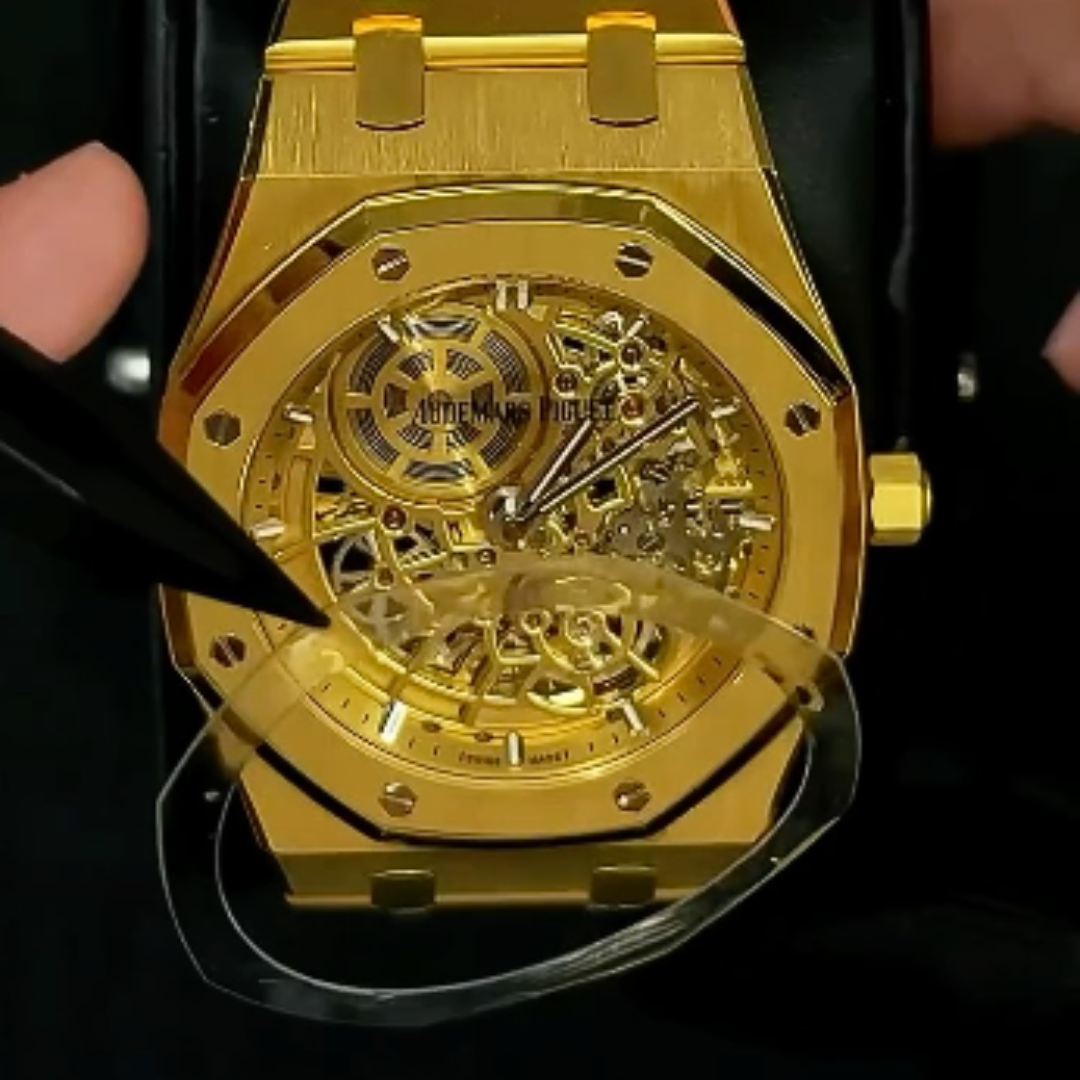
Self-Healing Film Explained: Can It Really Remove Scratches?
Self-healing watch protection film uses heat-activated TPU material to reduce the appearance of minor scratches and swirl marks. Learn how it works, what types of scratches it can fix, and why it’s an effective solution for daily wear protection.
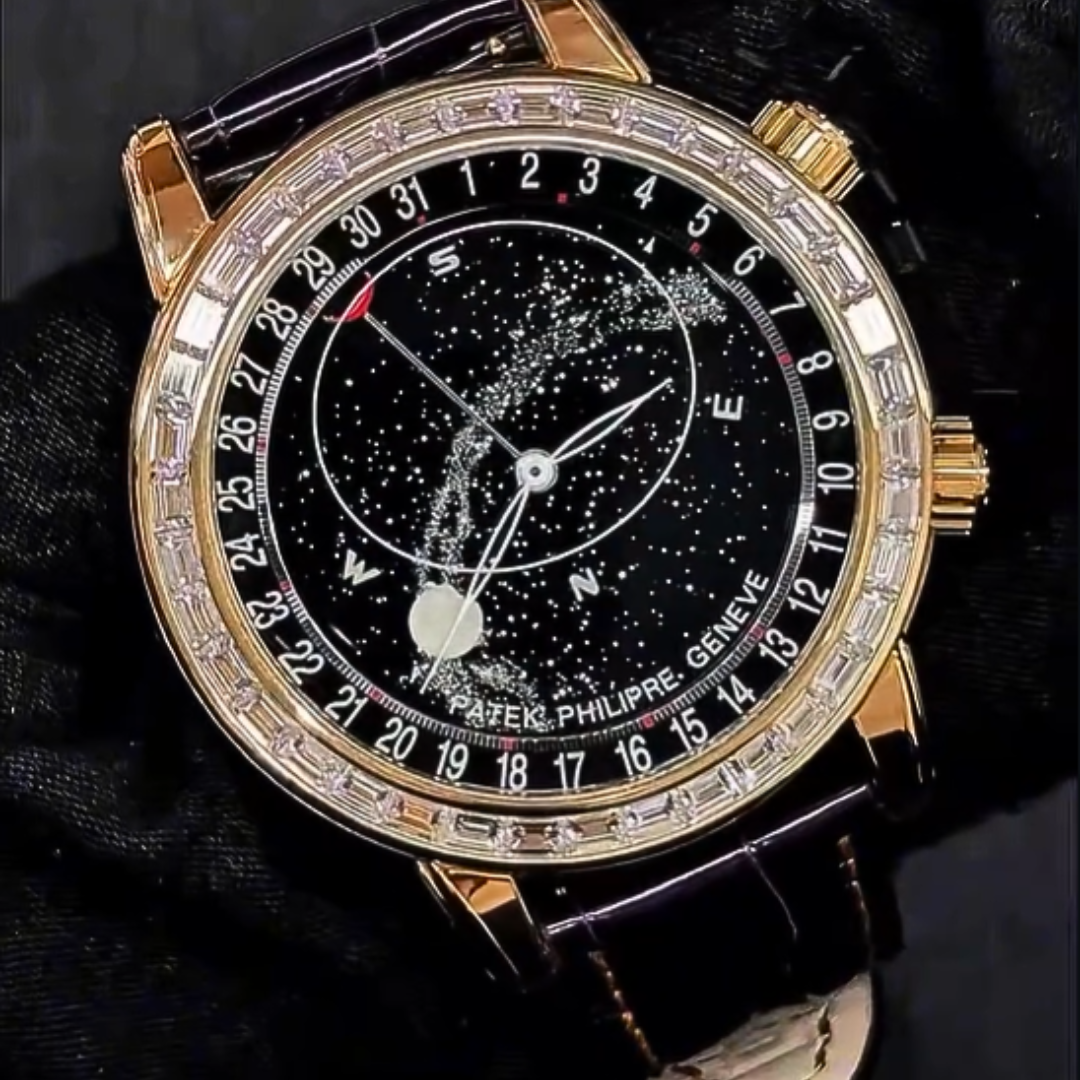
What “99.9% Coverage” Really Means for Watch Protection
99.9% coverage” in watch protection film sounds impressive, but not all services cover the same areas. This guide explains what true full coverage includes, which parts are often left out, and why side links, clasp edges, and case sides matter for long-term protection.
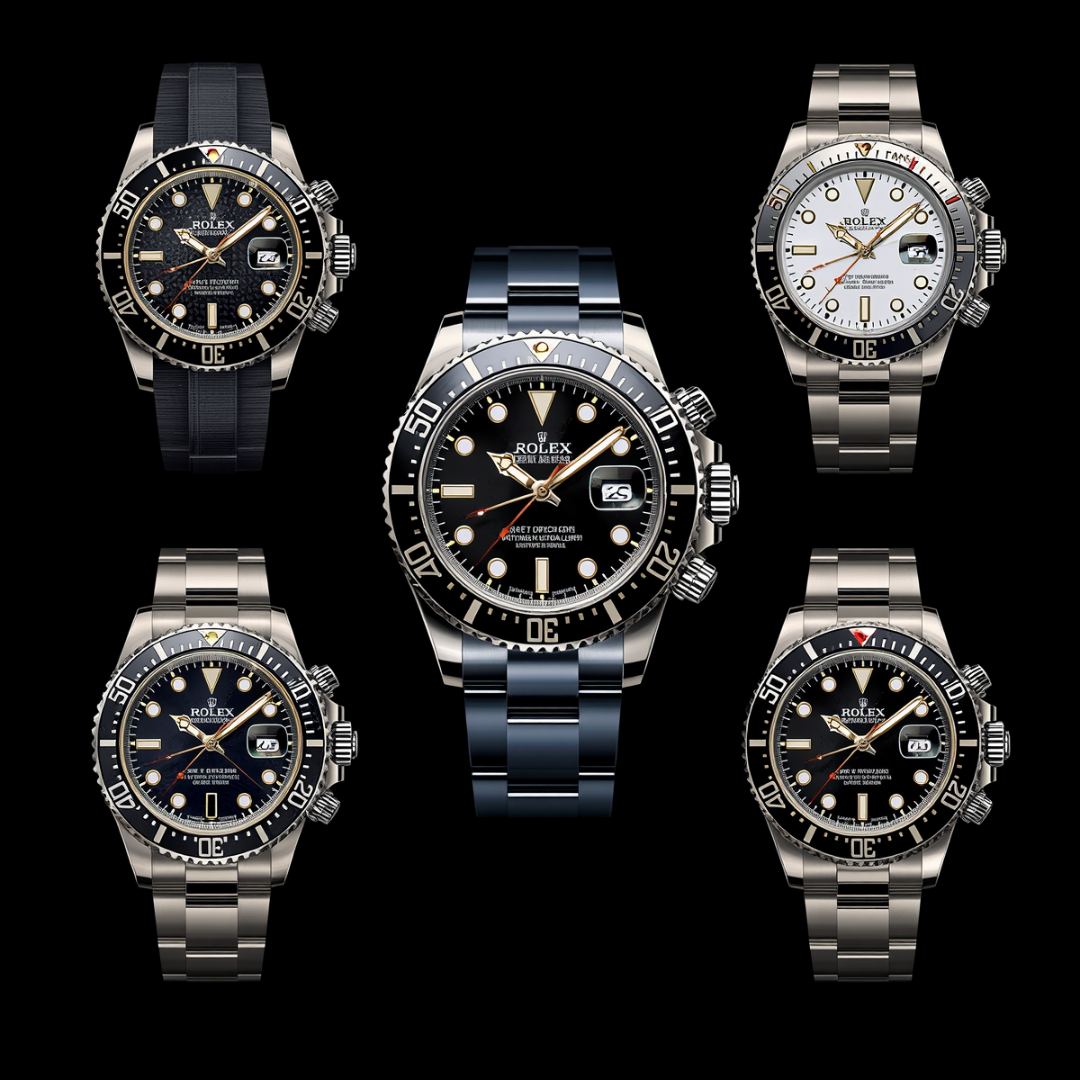
Why Some Watches Scratch More Easily Than Others
Some watches scratch more easily due to materials, polished finishes, and design. Learn why certain models show wear faster—and how to better protect your timepiece.